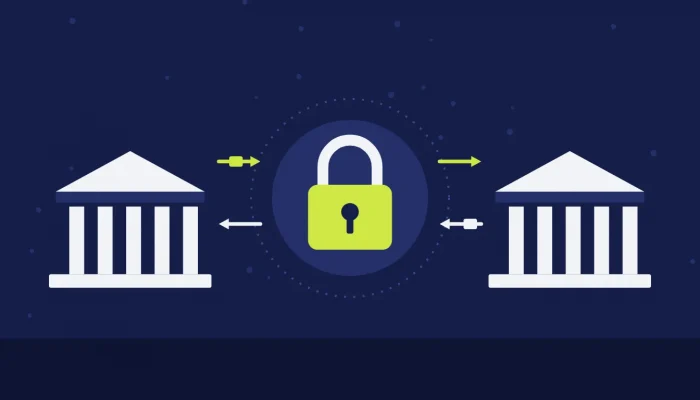
Open banking in Nigeria is a regulated way for customers to let their bank share financial data with other licensed firms, through APIs, so those firms can offer better products. The Central Bank of Nigeria (CBN) set the rules in a framework issued in February 2021 and added operational guidelines in 2023. Nothing moves without the customer’s consent.
This is an explainer, not legal advice. Rules change, so check the current CBN documents before you build or lend against them.
What open banking means in plain terms
Today your financial history sits in silos: one bank, one wallet, one telco, one lender. Each knows a slice of you. None of them talks to the others, however politely you ask.
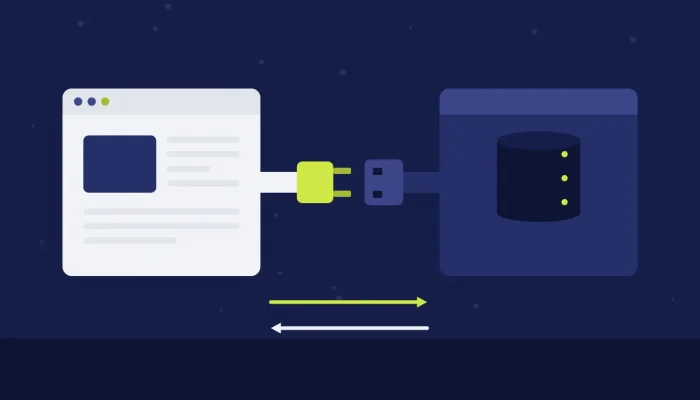
Open banking lets you say, “Share this slice with that company.” The sharing happens through an API, a standard doorway that lets one system request specific data from another. You approve it, and you can withdraw it.
The CBN framework and the 2023 guidelines
The CBN issued its Regulatory Framework for Open Banking in February 2021. It defined the participants, the categories of data, and the principles of consent and security. The operational guidelines followed in 2023 and moved things from principle toward practice, covering how participants join and how APIs should behave. Read the text for the exact obligations.
So, who regulates open banking in Nigeria? The CBN. Personal data handling also falls under the Nigeria Data Protection Act 2023 and the oversight of the Nigeria Data Protection Commission. Go to the CBN website for the primary texts. Law-firm summaries are handy, but they age quickly.
We covered the early days when CARMA joined Open Banking Nigeria. A status note as of November 2026: we have not verified every later amendment or circular. Confirm the latest ones before relying on any detail here.
Who takes part
| Participant | Role | Example use |
|---|---|---|
| Data provider | Holds customer data, such as a bank, and exposes it through APIs | Sharing account transactions after consent |
| Data consumer | Requests data to deliver a service | A lender checking cash flow before a decision |
| Data aggregator | Connects many providers and consumers through one integration | One API instead of twenty separate connections |
| Customer | Owns the data and grants or revokes access | Approving a one-off check |
The framework also sorts data by risk. Product information, such as published fees and branch details, is low risk. Personal and transaction data is higher risk, with stricter access and security expectations. The higher the risk, the more a consumer must justify asking for it.
Consent and data-sharing basics
Is open banking data shared without customer consent? No. Explicit consent is the core principle, and the customer should be able to see and revoke what they have approved. Our piece on open banking and customer consent goes deeper.
Good consent is specific: what data, for what purpose, for how long. “Last six months of transactions, to assess a loan application, for this one request” is consent. A vague “accept all” screen defeats the point.
The registry and API standards
The framework provides for an open banking registry: a list of participants and their roles, so a bank knows who is allowed to call its APIs. Think of it as the guest list at the door. We have not confirmed how the registry is run today, so check with the CBN before you plan around it.
On the technical side, the aim is common API standards, so a developer builds once rather than bespoke for each bank. Our API developer guide shows what an integration looks like on our side.
What it means for lenders and product teams
How does open banking help lenders? It gives them verified data instead of self-declared numbers. Picture a small trader with no payslip. With consent, wallet and bank transactions might show inflows of roughly ₦150,000 to ₦220,000 in each of the last six months. That tells a credit officer far more than a paper form. (This is a made-up illustration, not a promise of approval.)
It matters because many adults have no bureau file. See our look at credit bureau coverage in Nigeria. Even so, data decides nothing alone. A lender still applies its own policy and risk appetite.
A practical order for product teams:
- Confirm your licence category and which data you may use under the CBN rules.
- Design a consent screen that names purpose and duration.
- Integrate directly or through an aggregator. Twenty bank connections means twenty sets of maintenance.
- Store as little as you can, and log every access.
- Test the ugly cases: dormant accounts, revoked consent, failed calls.
Where alternative data fits in
Bank data is only one view. Telco top-ups, utility payments and mobile money can fill gaps for people with thin files. That is alternative credit data, and it works only when the person agrees to share it.
That is the space a decentralized aggregator serves. Lenders and developers can consume data, and data holders can contribute data while keeping control over who uses it. Lending carries risk for borrowers and lenders alike, and none of this replaces affordability checks.
FAQ
What is open banking in Nigeria?
It is a CBN-regulated model where customers permit banks and other providers to share their data with licensed third parties through APIs, to enable better financial services.
Who regulates open banking in Nigeria?
The Central Bank of Nigeria issues the framework and guidelines. Personal data protection also falls under the Nigeria Data Protection Act 2023. Verify current rules directly with these bodies.
Is open banking data shared without customer consent?
No. Customer consent is a founding principle, and customers should be able to withdraw it.
How does open banking help lenders?
It offers consented, verified data for assessing cash flow, especially for people without a credit file. It supports a decision but does not guarantee any outcome.