Open banking in Nigeria means a bank or other data holder shares your financial data with a licensed third party through a secure API, but only after you agree. The Central Bank of Nigeria (CBN) set the rules in a 2021 framework and Operational Guidelines issued in March 2023. Consent is the centre of it: as law-firm summaries describe it, consent must be informed, freely given and revocable.
No consent, no data flow. That is the short version. Below is the longer one, including where the rollout stands as of November 2026 and why we, as a data-sharing business, joined the conversation early.
The two documents everyone cites
The Regulatory Framework for Open Banking in Nigeria came out on 17 February 2021. It sets principles for data sharing: who can take part, what kinds of data can be shared, and how risk is handled.
The Operational Guidelines for Open Banking in Nigeria followed on 7 March 2023. They turn those principles into working rules: participant categories, data and API access requirements, dispute resolution, risk management and an Open Banking Registry.
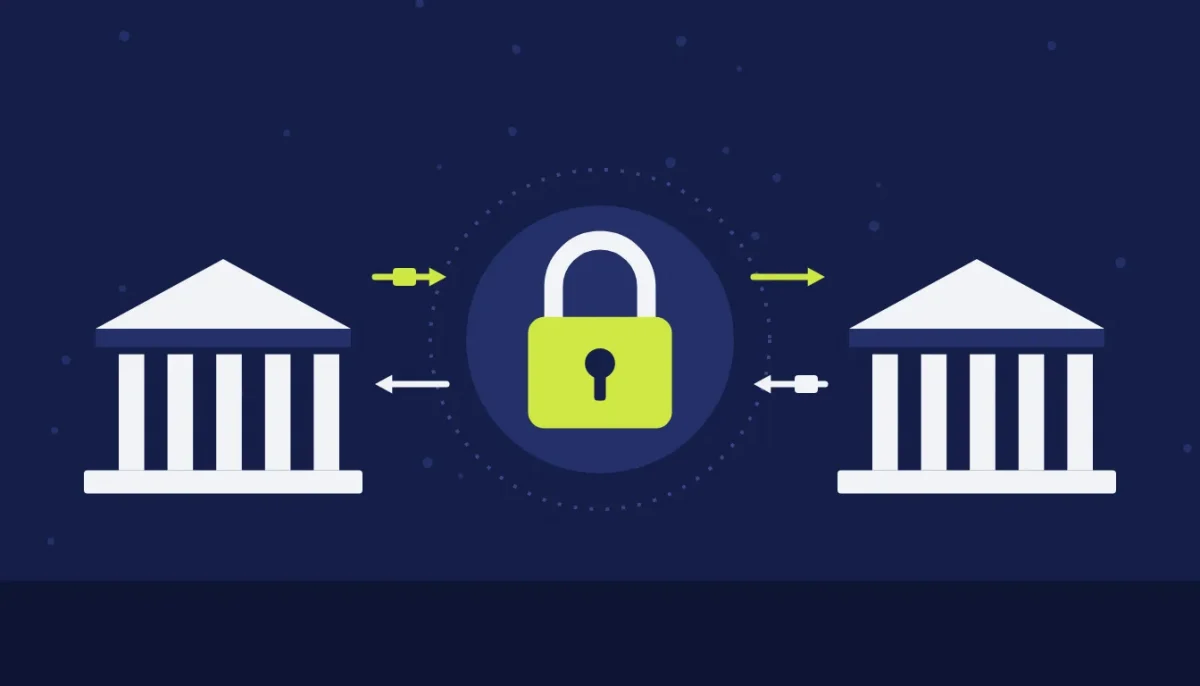
In plain terms, an API (a standard way for two systems to talk to each other) lets a data holder, such as a bank, pass information to an approved data consumer, such as a lender or a budgeting app. If APIs are new to you, our explainer What is an API? covers the basics.
The framework also sorts data by sensitivity, from public product information such as fees and branch locations to account and transaction records. The more sensitive the data, the stricter the conditions. We will not paraphrase the exact tiers, because small wording changes matter.
A caveat from us. We are summarising law-firm and press commentary here, not quoting the regulator. Read the CBN’s own published text before you build anything on it.
How consent is supposed to work
Commentary on the guidelines is consistent on one point: customer consent is the sole basis for sharing customer data in the framework. Practitioners usually break that into three tests.
- Informed. The customer knows who gets the data, which data, and what for. A wall of legal text nobody reads does not do this job.
- Freely given and explicit. An active step, such as tapping “Allow”. No pre-ticked boxes, no silence treated as a yes, and no burying the permission inside a take-it-or-leave-it bundle.
- Revocable. The customer can withdraw at any time, withdrawing should not be harder than giving consent, and the sharing stops.
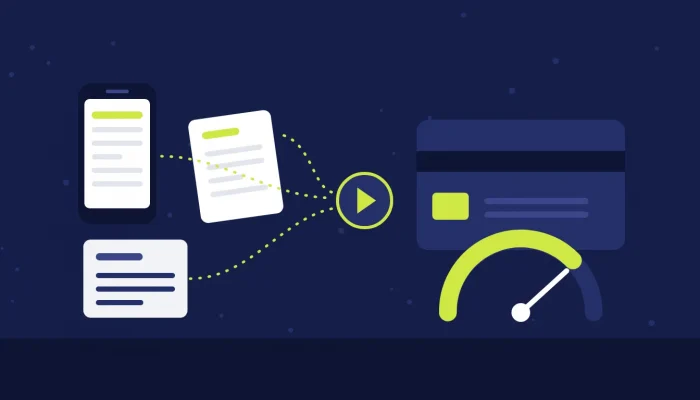
Picture a salary earner applying for a small loan in an app. The app asks to read six months of account activity. A good consent screen names the lender, lists the data, states the purpose and period, and has a visible way to switch it off later. The customer approves through their bank, the data moves over the API, and the lender sees only what was approved. Three months later the customer switches access off, and the lender’s access should end there.
A bad screen says “we need access to your data” and nothing else.
Good consent design is also good business. People who understand what they are sharing tend to finish the application. People who feel tricked do not come back.
Where data protection law fits in
Open banking sits on top of general data protection law; it does not replace it. The Nigeria Data Protection Act 2023 (NDPA) is the main statute, enforced by the Nigeria Data Protection Commission. It defines consent and, according to legal commentary, puts the burden of proving it on the data controller. The older NDPR of 2019 was not repealed by the NDPA, and the CBN guidelines expect participants to follow the applicable data protection rules. Further guidance, the NDPA GAID 2025, is also cited by practitioners. How these instruments fit together is a question for the primary texts and a qualified adviser.
For a lender or fintech, the practical consequences are fairly consistent:
- Collect only the data you need for the stated purpose.
- Keep a record of every consent: who, when, what scope, and whether it was later withdrawn. If you cannot show it, assume you did not get it.
- Secure the data and have a breach plan.
- Do not reuse the data for a new purpose without a fresh lawful basis.
Where the rollout stands (as of November 2026)
It has been slower than the documents suggested. The CBN approved an August 2025 start in April 2025, then paused it, and in October 2025 gave no new launch date. Reports from February 2026 speak of a phased rollout through 2026.
We could not confirm a count of live API participants or a public registry listing. The guidelines describe the Open Banking Registry as a public repository of registered participants. Reporting differs on who runs it: early commentary named NIBSS, while later reporting says the CBN keeps operational responsibility and NIBSS helps build it. Check the CBN and Open Banking Nigeria for the current position.
What this means for lenders and fintechs
For lenders, open banking can add a verified view of cash flow, which matters for people with no formal credit history. But it mostly covers bank data. Plenty of Nigerian adults have thin or no bank history, so a bank-only view leaves many people invisible. That is why alternative credit data matters alongside it, and why newer lending models pull from telecom, utility and transaction sources too, which sit outside open banking.
For fintechs, the work is mostly operational:
- Check which role you play under the framework (data holder, data consumer, or both) and what registration or onboarding applies.
- Design a consent screen that states the purpose, the data and the duration in plain language.
- Store consent records and make revocation work in the product, not just in a policy.
- Test how your credit model behaves when a customer withdraws access mid-loan.
The same consent logic applies to every data source. If you want to see how contributing and accessing data works on our side, read about how to contribute data and how businesses consume data. Lenders’ own experience is covered in our lenders roundtable.
Sources and how to check them
Start with the primary documents: the CBN Regulatory Framework for Open Banking in Nigeria (2021), the CBN Operational Guidelines for Open Banking in Nigeria (2023), and the Nigeria Data Protection Act 2023. Nigerian law firms have published commentary on all three, and reading two or three side by side is a sensible way to spot differences in interpretation. Rules and enforcement change, so confirm the current text on the date you read it.
This is general information, not legal advice. Compliance duties depend on your licence and activity, so speak to a qualified Nigerian lawyer before you design a product around these rules.
Background: why CARMA joined Open Banking Nigeria in 2021
CARMA partnered with Open Banking Nigeria, a non-profit coalition of industry stakeholders advocating common API standards in the Nigerian financial sector. The aim was to accelerate real-time peer-to-peer data sharing between financial institutions, fintechs, telcos, insurers and non-financial sectors, to widen access for unbanked and underserved people.
The banking and fintech sector in Nigeria grew fast, yet most adults were still unbanked or underserved. In 2010 the CBN set a target of 80 percent financial inclusion by 2020. According to the CBN, it was not met.
CARMA supported the initiative by setting up an API-based data marketplace for secure exchange across institutions. Data contributed by different industries can help lenders and merchants make better credit decisions and reach people without traditional accounts, which feeds into the growth of financial inclusion.
Ted Martynov, CEO CARMA, said at the time: “We are excited to be part of Open Banking Nigeria. The established framework is critical for building an ethical and transparent process for data sharing services between financial institutions, fintech, and other business communities. CARMA is ready to play a pivotal role to provide the initiative with our best expertise and knowledge by providing alternative data solutions to expand the ecosystems availability of API based services”
“We are glad to be joining the emerging Open Banking community in Nigeria to promote and deliver innovative solutions that open up financial and economic opportunities for the underserved in Nigeria. This will provide lenders and fintech access to non-traditional data for credit assessment while monetizing customer data in a secure and compliant way.” said Femi Oluyide, Nigeria Country Manager CARMA.
FAQ
What is an API in open banking?
An API is a set of rules that lets one system ask another for data or an action. In open banking, a lender’s app calls a bank’s API to request your account information, and the bank answers only if your consent is valid.
What is an API key and what is it used for?
It is a secret code that identifies the app making a request, much like a password for software. It is not the customer’s consent, though. A key proves who is calling; consent decides what that caller may see.
Is customer consent always required?
For personal and account data, commentary on the guidelines says yes. Consent must be informed, explicit and provable, and the data controller carries the burden of proving it. Exact conditions differ by data category, so check the primary texts.
Can I withdraw consent once I give it?
Under the guidelines as described by law firms, yes. Consent must be revocable at any time, and access should stop going forward. Check how each provider lets you do it, and read the CBN text for the exact process.
Does the NDPA apply to open banking data?
Yes. Personal data shared through open banking is still personal data, so the NDPA applies alongside the CBN rules, and commentary says the NDPR remains relevant too.
Is open banking live in Nigeria yet?
The start date moved from August 2025 to a phased rollout planned for 2026. As of November 2026 we could not confirm a full public list of live participants, so check the CBN directly.
Where can I read the official rules?
On the Central Bank of Nigeria’s website: the 2021 Regulatory Framework and the 2023 Operational Guidelines. Treat articles like this one as a map, not the territory.